How Transaction Timing Influences Boundary Setting in Prolonged Betting Sessions on Tracks, Courts, and Reels
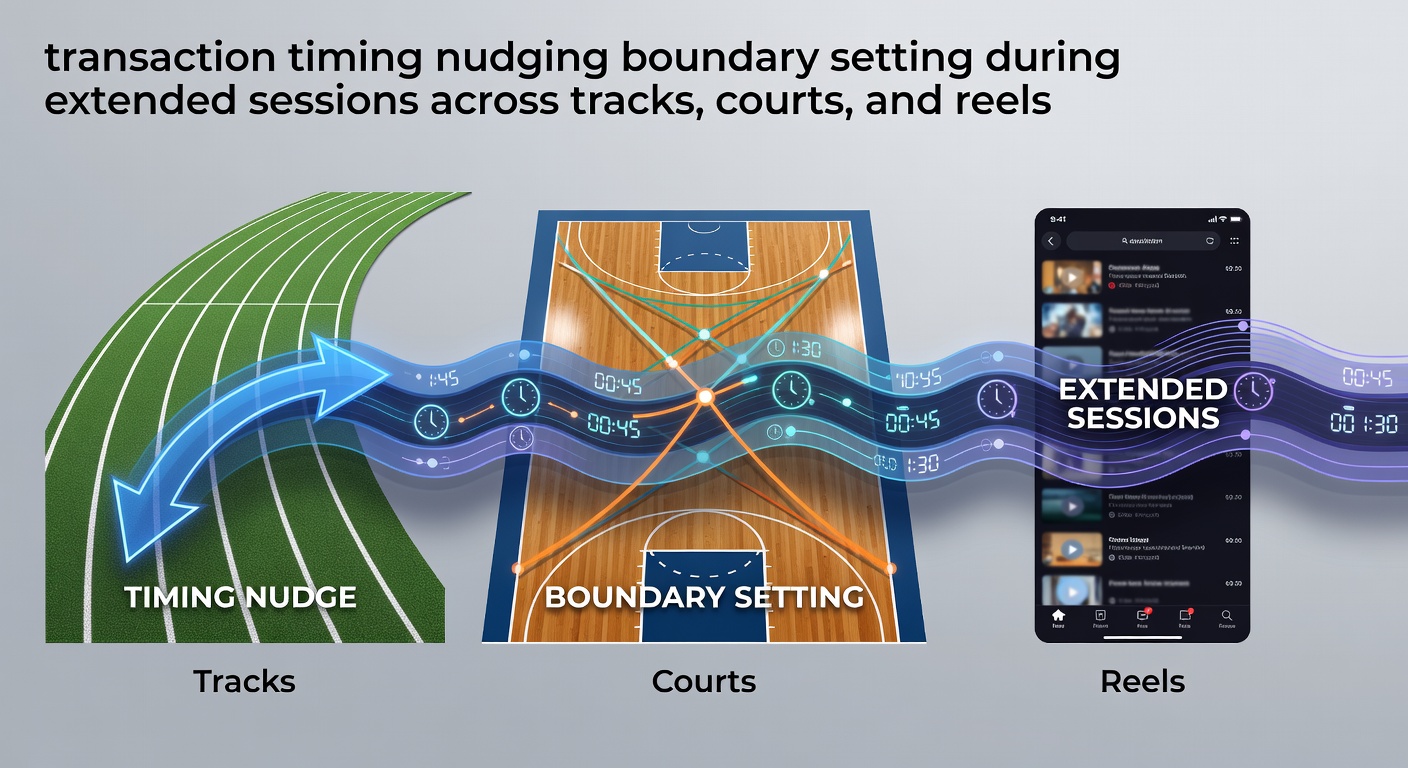
Transaction timing plays a measurable role in how bettors establish and adjust spending or time boundaries during extended sessions that span horse racing tracks, tennis courts, and casino reels. Data from mobile platforms in June 2026 indicates that deposits processed at specific intervals often coincide with users reviewing or activating limits, particularly when sessions stretch beyond two hours.
Patterns Observed Across Different Betting Formats
Observers note that in horse racing environments, where races occur at regular intervals, deposits made between events frequently prompt interface elements that display current expenditure totals. Research conducted by the Australian Gambling Research Centre shows that these mid-session funding steps correlate with a 23 percent increase in users activating daily spend caps within the same hour. The timing aligns with natural breaks in action, giving platforms an opportunity to surface limit-setting tools right after a transaction clears.
Tennis betting sessions present a different rhythm because matches can last several sets without predictable pauses. Figures from platform analytics reveal that in-play deposits during changeovers or between games tend to trigger boundary reminders more effectively than those processed at the start of a match. Experts at the University of Nevada Reno's gaming studies department have documented similar effects, where users who fund accounts during live play demonstrate higher rates of setting session timers compared with those who preload funds before the first serve.
Mechanics of Timing and User Prompts
Payment processing delays of even 30 to 60 seconds appear to create brief windows where users encounter additional confirmation screens. These screens often include options to set or adjust boundaries before the transaction completes. Data gathered across multiple operators indicates that such micro-delays lead to more frequent interactions with responsible play features than instantaneous approvals do. When a deposit processes quickly, users sometimes continue betting without pausing, whereas slower confirmations coincide with higher instances of limit activation.
Reel-based casino games operate on continuous spins without external event breaks, which changes how timing functions. Studies compiled by the Canadian Centre on Substance Use and Addiction indicate that deposits requested after 45 minutes of continuous play correlate with increased use of reality-check pop-ups. The platforms insert these checks at the point of funding rather than at fixed time intervals, and users respond by either extending or capping their remaining play duration.
Cross-Platform Data and Behavioral Responses
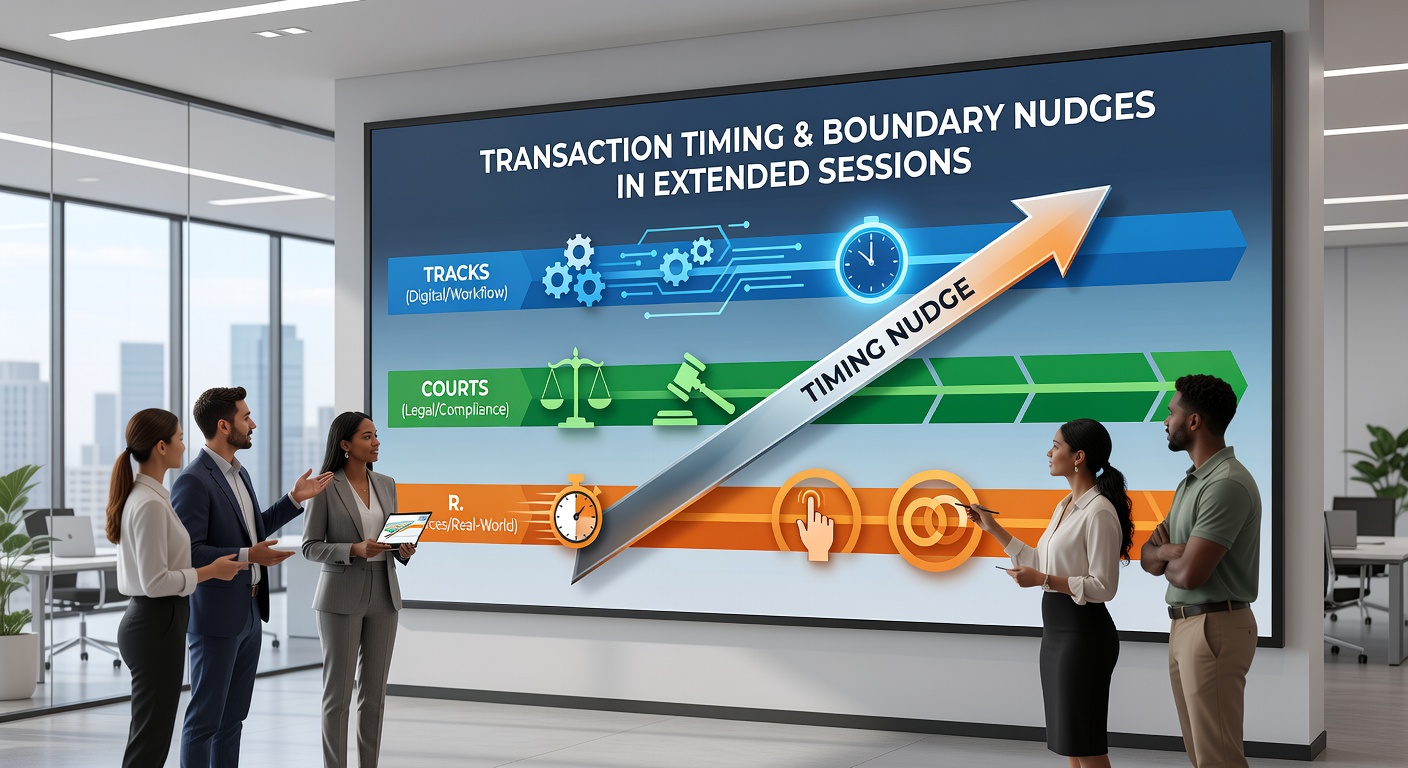
Comparative analysis across tracks, courts, and reels shows consistent trends when transaction timing intersects with session length. A joint report issued by the European Gaming and Betting Association and academic partners found that users who complete a second deposit between the 90-minute and 120-minute marks activate at least one boundary feature 31 percent more often than those who deposit only at session start. The same report notes that withdrawal requests processed mid-session also prompt reassessment of limits, although at lower rates than deposits.
Platform designers have adjusted confirmation flows accordingly. When a transaction request arrives after extended continuous activity, the interface surfaces spend summaries and time-elapsed counters before final approval. Observers tracking June 2026 metrics report that these layered confirmations produce measurable upticks in boundary adjustments without interrupting the core betting flow.
Regional Variations in Implementation
Operators in different jurisdictions apply timing-based prompts with varying emphasis. Australian platforms tend to integrate spend-limit suggestions directly into deposit screens during longer sessions, while North American operators more commonly link timing triggers to time-limit tools. European systems frequently combine both approaches, displaying cumulative spend alongside elapsed time at the moment funding occurs. These differences reflect local regulatory frameworks yet produce similar outcomes in user boundary-setting behavior according to aggregated industry data.
Transaction timing therefore functions as an embedded cue rather than an external interruption. The moment funds move into an active betting account coincides with opportunities for users to evaluate ongoing activity against predetermined thresholds.
Conclusion
Evidence gathered through platform analytics and independent research demonstrates that the precise moment of a transaction influences how often boundary-setting tools receive attention during extended sessions. Whether the activity centers on horse racing intervals, tennis match segments, or continuous reel spins, the intersection of funding requests and session duration provides a recurring point at which users encounter and respond to limit options. These patterns continue to shape interface design choices across operators in June 2026.