16 Jun 2026
Payment Methods Supporting Self-Management in Live Mobile Betting for Sports and Casinos

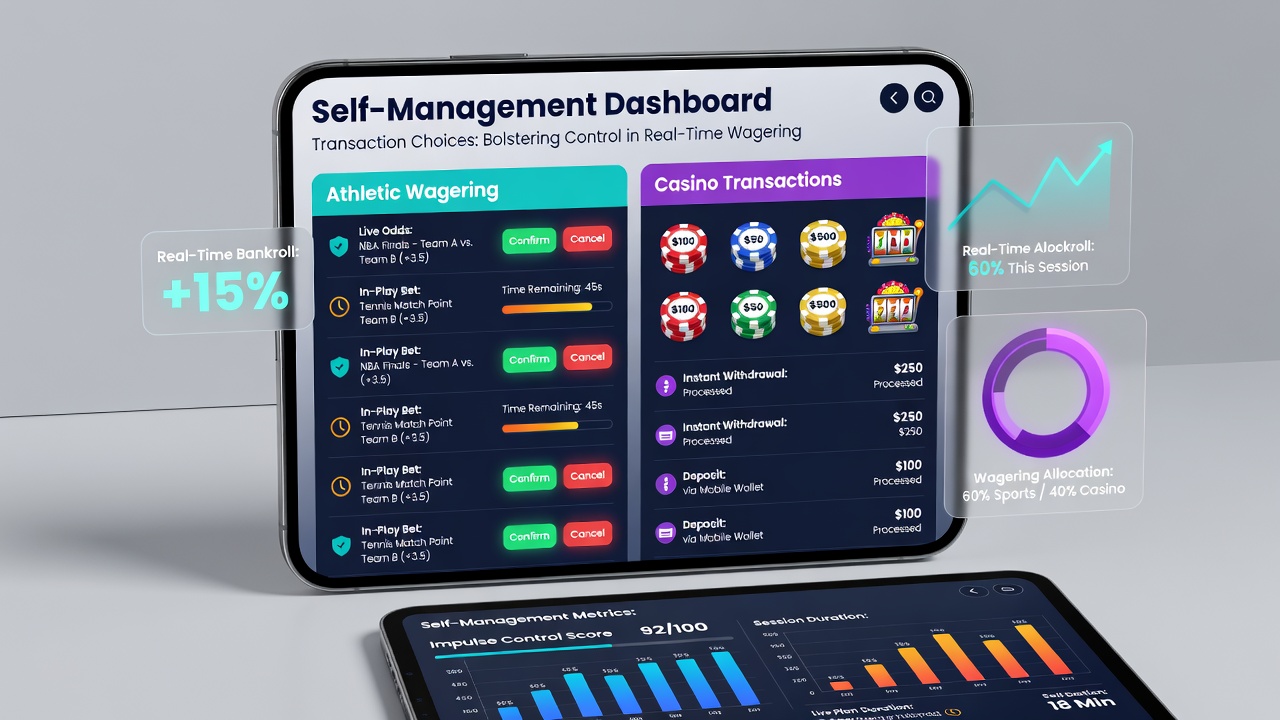
Transaction choices in real-time mobile wagering have evolved to include features that let users set boundaries during athletic competitions and casino sessions, and data from regulatory bodies shows these tools influence how bettors handle deposits and withdrawals amid fast-paced events. Observers note that options such as e-wallets with built-in spending caps connect directly to live betting platforms, allowing adjustments without interrupting play on football matches or roulette spins, while bank transfers often require additional verification steps that create natural pauses for reflection.
Core Transaction Types and Their Structures
Debit and credit cards remain common entry points for funding accounts, yet many platforms now integrate daily or session-based limits that users activate before engaging with in-play odds on tennis rallies or horse races, and these controls draw from payment processor protocols that flag rapid successive transactions. E-wallets like those offered by international providers add another layer because they permit instant small transfers capped at predefined amounts, which aligns with self-management goals when events unfold quickly in June 2026 tournaments where live betting volumes typically rise. Cryptocurrency options have gained traction in certain markets because blockchain records provide transparent histories that users review to track activity across casino table games and sports accumulators, although transaction speeds vary by network congestion and platform policies.
Integration with Live Event Dynamics
During athletic events the pace of decision-making accelerates, so payment methods that support one-click deposits with pre-set thresholds help maintain focus without exceeding planned budgets, and industry reports indicate that such features see higher adoption in regions with established mobile infrastructure. Casino environments present parallel demands because slot spins and live dealer tables generate continuous opportunities, yet withdrawal functions tied to the same accounts often include confirmation delays that encourage review periods before funds move out. Those who study user behavior patterns find that combining payment speed with limit tools reduces instances of extended sessions, particularly when platforms sync these settings across both sports and casino verticals in a single interface.
Data Trends Around Mid-2026
Figures from sources like the Nevada Gaming Control Board reveal steady growth in mobile transaction volumes for live wagering through the first half of 2026, with payment methods incorporating self-management prompts appearing in a larger share of accounts. Australian government analyses of digital gambling channels similarly highlight how transaction logging features tied to e-wallets correlate with users maintaining consistent deposit patterns during major sporting calendars and casino promotions. These records show that participants who activate spending boundaries early experience fewer unplanned transfers when events extend into overtime or bonus rounds trigger additional bets.
Regional Regulatory Influences on Payment Design
European frameworks outside the UK have shaped how operators embed responsible transaction features, and studies from institutions such as the University of Sydney document that mandatory cooling-off periods linked to certain payment processors lead to measurable shifts in session lengths for both athletic and casino mobile users. Canadian provincial oversight bodies have tested similar integrations where bank transfer options automatically reference user-set budgets, creating checkpoints that interrupt rapid live betting sequences without halting platform access entirely. These approaches differ from purely voluntary tools because they tie directly into the payment flow, which researchers observe produces consistent application across diverse event types.
Practical Examples Across Platforms
One documented case involved a European operator that linked e-wallet deposits to tennis match timers, prompting users to confirm limits before each set began, and follow-up data indicated sustained adherence to those boundaries throughout the tournament. In casino settings another provider introduced voucher-based funding that required manual entry of amounts, which introduced deliberate steps before spins commenced and aligned with self-management objectives during extended play windows. Observers tracking June 2026 activity note that platforms offering multi-currency transaction choices with unified limit dashboards report stable user retention when events span multiple time zones and require ongoing funding decisions.
Conclusion
Transaction choices continue to intersect with self-management needs in real-time mobile wagering because payment structures determine how quickly and transparently users can monitor activity during athletic competitions and casino sessions. Evidence from varied regulatory and academic sources points to ongoing refinements in these tools as mobile volumes expand, with the result that bettors gain more granular control mechanisms embedded directly in the funding process. As platforms adapt features to different event formats the connection between transaction design and personal boundaries remains a central element of the overall wagering environment.