Payment Pathways That Prompt Self-Checks in Mobile Live Wagers on Tracks, Courts, and Tables
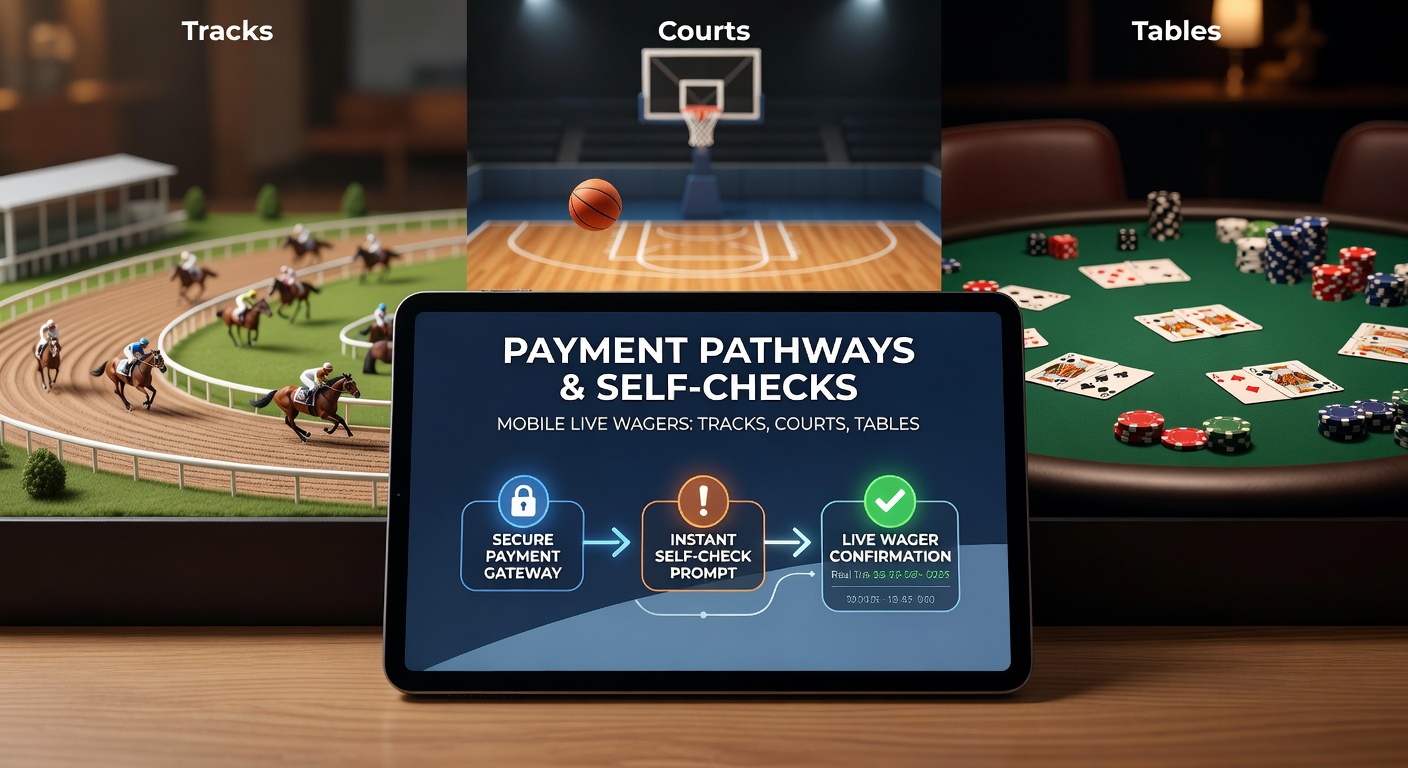
Payment systems in mobile live betting have evolved to include built-in reminders that encourage users to review their spending habits during active wagers on horse racing tracks, tennis courts, and casino tables, and these features operate through real-time transaction tracking that displays updated balances immediately after each deposit or withdrawal request.
Operators integrate deposit limit tools directly into the payment flow so that when a bettor attempts to add funds during a live session on a tennis match or a horse race in progress, the platform pauses to show current expenditure totals for that day or week, and this process relies on API connections between banking partners and the betting software that pull data without requiring separate navigation away from the live odds screen.
Mechanics of Instant Transaction Prompts Across Different Venues
Live wagering on tracks often involves rapid successive deposits as odds shift during a race, yet many platforms now attach a mandatory review step after a set number of transactions where the user sees a summary of amounts wagered alongside remaining account balance, and similar structures appear in court-side tennis betting where in-play markets update every few seconds while payment gateways flag cumulative stakes that approach predefined thresholds.
Casino table games accessed via mobile apps follow comparable patterns, with live dealer sessions prompting a self-assessment screen once a player initiates a third consecutive chip purchase within a short window, and these checks draw from session timers that reset only after the user confirms they have examined their activity log.
Integration with Banking Methods in May 2026
By May 2026 several major platforms had rolled out unified payment dashboards that combine card, e-wallet, and bank transfer options into one view while automatically surfacing historical transaction data from the preceding 24 hours, and this development coincided with updates from multiple regional regulators that encouraged standardized alert formats across operators serving horse racing, tennis, and table game markets. Observers note that these dashboards reduce the steps needed to access spending records because the information appears inline during the deposit confirmation process rather than in a separate menu.
Researchers at institutions focused on digital finance have documented how such embedded notifications correlate with lower rates of unplanned deposit spikes in live environments, and one analysis from the Australian Gambling Research Centre examined transaction logs across multiple sportsbooks to identify patterns where users paused after seeing real-time summaries before completing further wagers.
Regional Regulatory Approaches and Industry Standards
Authorities in various jurisdictions have issued guidelines that require payment processors to include optional reality-check toggles at the point of fund transfer for live betting products, and these rules apply equally to platforms covering racetrack events, court competitions, and table games streamed to mobile devices. Data compiled by the National Council on Problem Gambling in the United States indicates that operators adopting these features report measurable differences in user engagement duration when compared with systems lacking inline balance reviews.
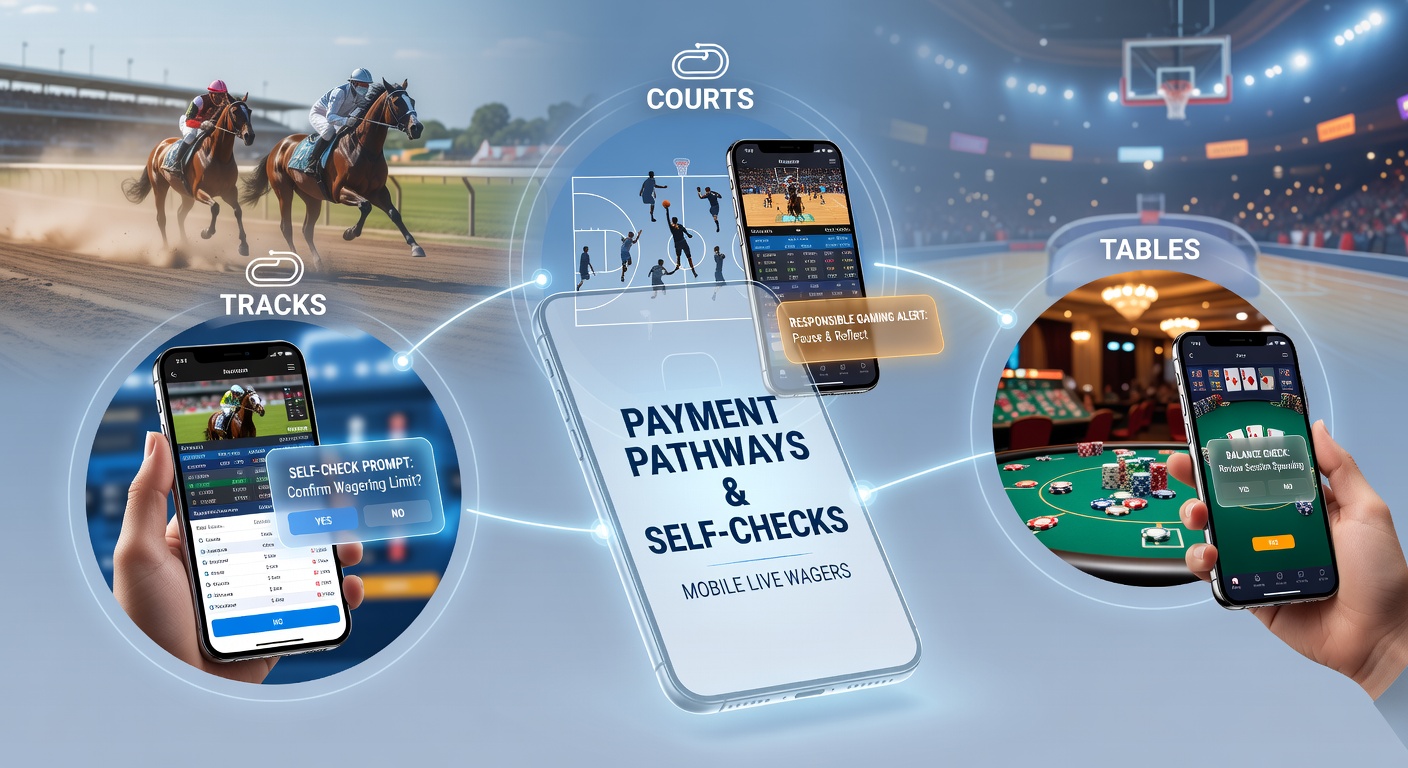
European frameworks, particularly those advanced through collaborative efforts among member states, emphasize interoperability between payment gateways so that a limit set on one operator carries forward when a user switches apps mid-session, and this continuity matters during extended live tennis or multi-race horse betting sequences where bettors move between markets without logging out.
Case Examples from Live Markets
Take one operator handling Grand Slam tennis coverage where an in-play accumulator on multiple courts triggers an automated prompt once the combined stake exceeds a user-selected daily cap, and the message displays alongside the payment authorization screen rather than interrupting the video feed. Similar implementations appear at major horse racing festivals, with ante-post and live race deposits routed through the same pathway that surfaces weekly totals before funds clear.
Table game environments show parallel designs, especially in live roulette or blackjack streams, where rapid chip top-ups activate a brief overlay summarizing total session outlay and offering a one-tap option to set a temporary cool-down on further deposits. These examples illustrate how payment infrastructure itself becomes the delivery mechanism for self-monitoring tools without requiring users to exit the betting interface.
Industry reports from organizations such as the World Lottery Association highlight that platforms combining fast settlement speeds with mandatory balance visibility maintain higher compliance scores under responsible conduct audits, and these findings draw from aggregated data across North American and Asia-Pacific markets that serve overlapping audiences for track, court, and table wagering.
Future Developments in Transaction Safeguards
Emerging technologies allow payment pathways to incorporate biometric confirmations that double as moments for users to acknowledge their current stake levels before funds transfer, and testing of these systems has occurred in controlled pilots focused on high-volume live events during May 2026. The approach connects directly to existing banking APIs so that each verification step pulls the latest available balance without additional latency for the bettor.
Collaborations between software providers and financial institutions continue to refine alert timing so that prompts align with natural breaks in play, such as between sets in tennis or after a race result is declared, rather than during peak action moments. This timing strategy relies on event data feeds that synchronize with the payment processor to avoid unnecessary interruptions while still delivering the required self-check opportunity.
Conclusion
Payment pathways now function as active participants in encouraging periodic self-review during mobile live wagers on tracks, courts, and tables through a combination of real-time displays, threshold-based pauses, and cross-platform limit sharing. The structures described rely on technical integrations that place spending information at the moment of transaction rather than in ancillary menus, and ongoing refinements in May 2026 and beyond reflect coordinated input from regulators, researchers, and operators across multiple regions. These mechanisms operate consistently across horse racing, tennis, and casino table environments because the underlying payment architecture treats each wager type through the same verification layer.