Security Protocols in Funding Mechanisms That Foster Prudent Choices During Mobile Live Engagements with Athletic and Gaming Options
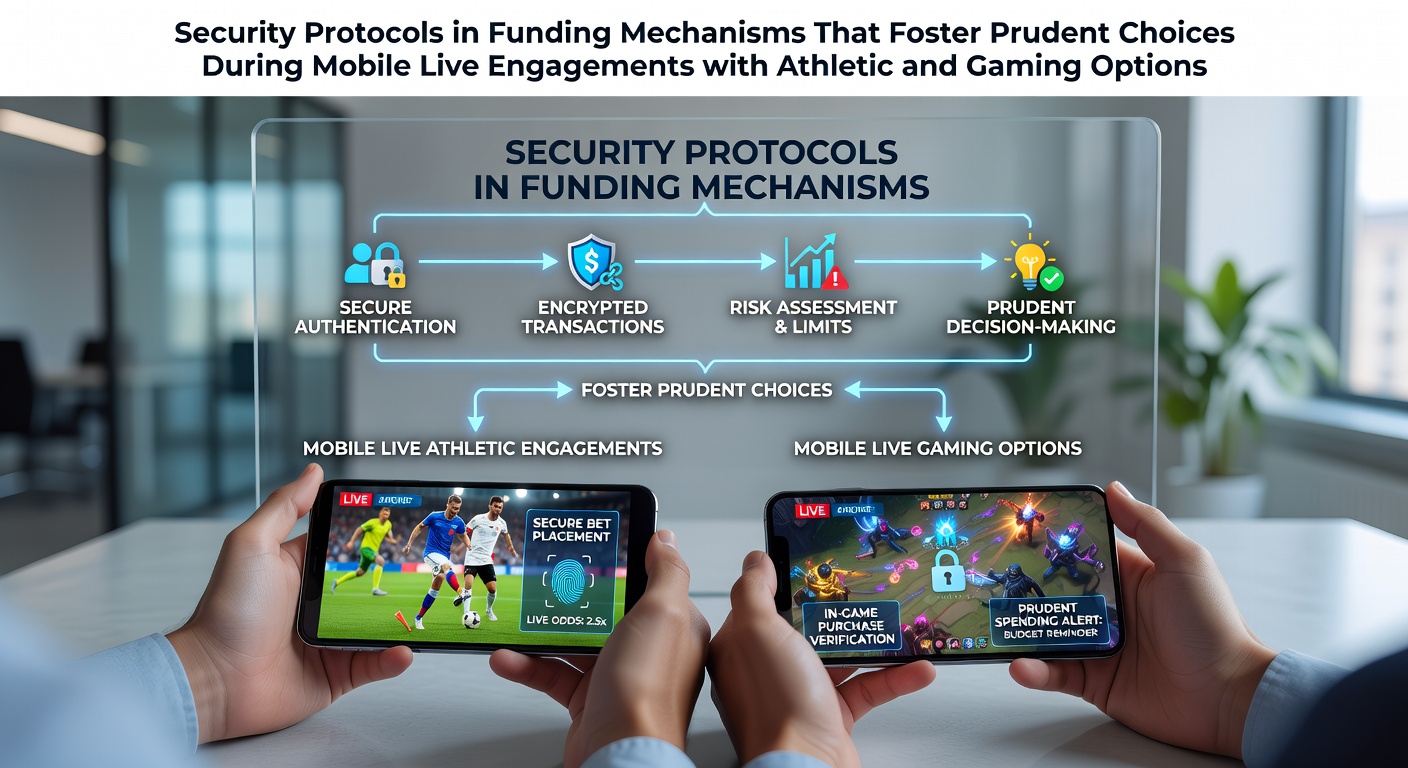
Security protocols embedded in funding mechanisms have become central to how operators manage transactions during mobile live engagements with athletic events and gaming options, and these systems work by combining encryption standards with real-time verification steps that help users maintain control over their spending. Data from industry reports indicate that platforms active in May 2026 rely on tokenization processes which replace sensitive card details with unique identifiers, reducing exposure during rapid in-play wagers on football matches, tennis rallies, or spinning reels in casino sections.
Encryption and Authentication Layers
Operators deploy advanced encryption protocols such as TLS 1.3 alongside biometric authentication methods including fingerprint or facial recognition, and these layers activate automatically when users initiate deposits or withdrawals while watching live athletic competitions or participating in gaming sessions. Researchers at academic institutions have documented how multi-factor authentication sequences interrupt impulsive funding actions, prompting a brief pause that encourages review of account balances before confirmation. Such measures align with broader efforts across North American and European markets where regulatory frameworks require operators to integrate these checks into every transaction flow.
Payment gateways further incorporate behavioral analytics that flag unusual patterns like sudden increases in deposit frequency during high-stakes tennis sets or extended casino sessions, and the system then triggers additional verification without halting the overall engagement. Observers note that this approach supports prudent decision-making by surfacing spending summaries directly on the mobile interface before funds transfer.
Integration with Responsible Gambling Tools
Funding mechanisms now connect directly to self-imposed limits on deposits, losses, and session times, which users can adjust through secure portals that require re-authentication for any changes. Studies from research bodies show these linkages reduce the likelihood of exceeding preset boundaries during live athletic events where momentum can influence quick funding decisions. In practice, a user watching a horse race or football goal sequence receives an on-screen notification if approaching a daily cap, allowing the choice to pause activity rather than proceed unchecked.
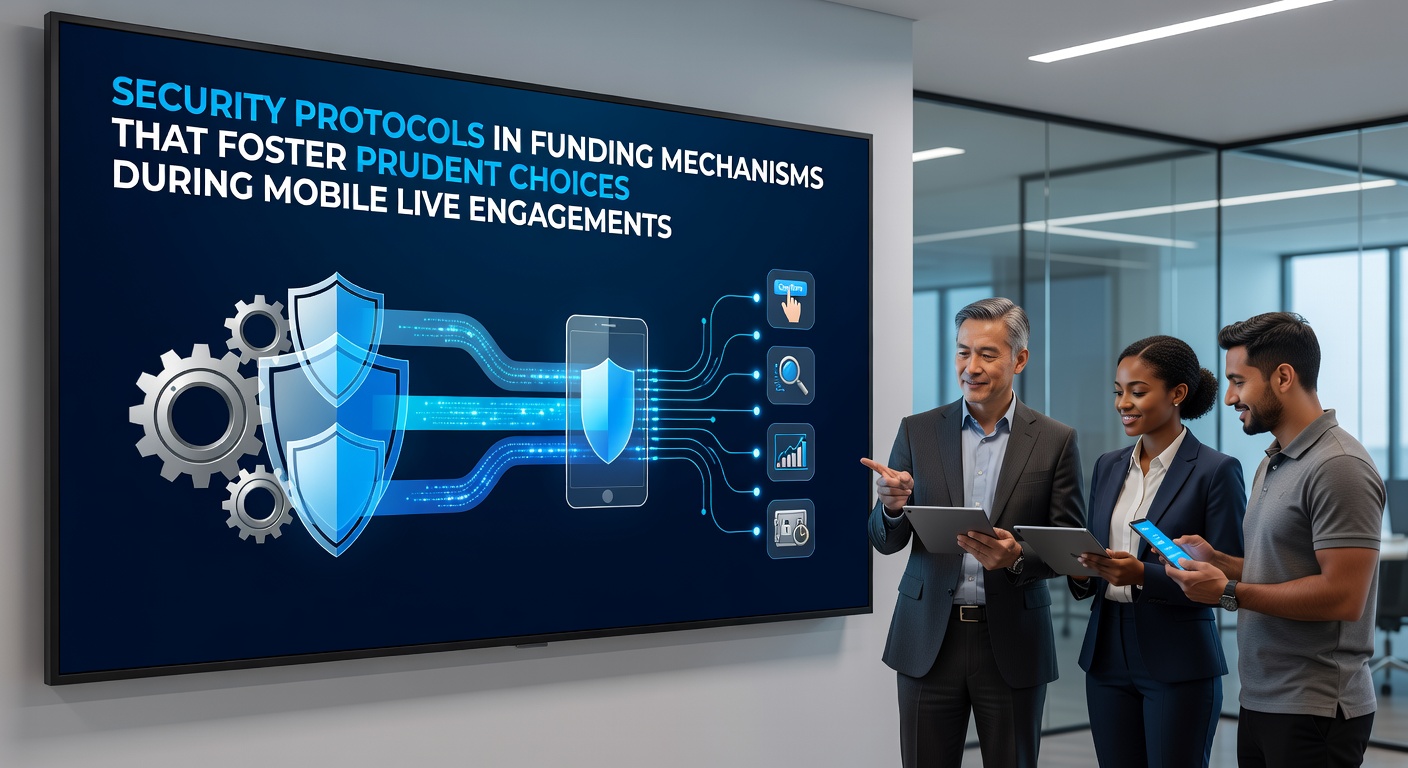
Wallet integrations from providers like those compliant with international standards add another safeguard by separating entertainment funds from primary banking accounts, and transaction logs remain accessible for review at any point. Figures from the American Gaming Association reveal rising adoption of such separated funding structures among mobile platforms handling athletic and casino options simultaneously.
Real-Time Monitoring and Alerts
Continuous monitoring systems track transaction velocity and cross-reference it against historical user data, triggering alerts when activity deviates from established norms during live mobile sessions. These alerts appear as pop-up messages or push notifications that summarize recent activity and remaining limits, giving users concrete information to weigh before authorizing further transfers. Experts from the Australian Gambling Research Centre have examined how these mechanisms operate across different time zones, noting consistent application during peak live betting windows for events like tennis tournaments or casino table games.
Operators also maintain audit trails that record every security checkpoint passed, and this documentation supports compliance reviews while providing users with transparent histories they can export for personal analysis. The combination of these elements creates an environment where funding decisions occur within visible boundaries rather than unchecked flows.
Conclusion
Security protocols within funding mechanisms continue to evolve alongside mobile live engagement options, and their layered approach of encryption, authentication, limit integration, and monitoring provides structured pathways that support measured participation in athletic and gaming activities. Data gathered through 2026 demonstrates steady implementation across multiple jurisdictions, with platforms adapting these tools to match the pace of in-play markets without compromising user oversight. As technology advances, further refinements in real-time feedback loops are expected to strengthen these protections across diverse betting formats.