Synchronizing Alert Systems for Deposit Caps and Live Event Updates Across Court, Track, and Table Betting Interfaces
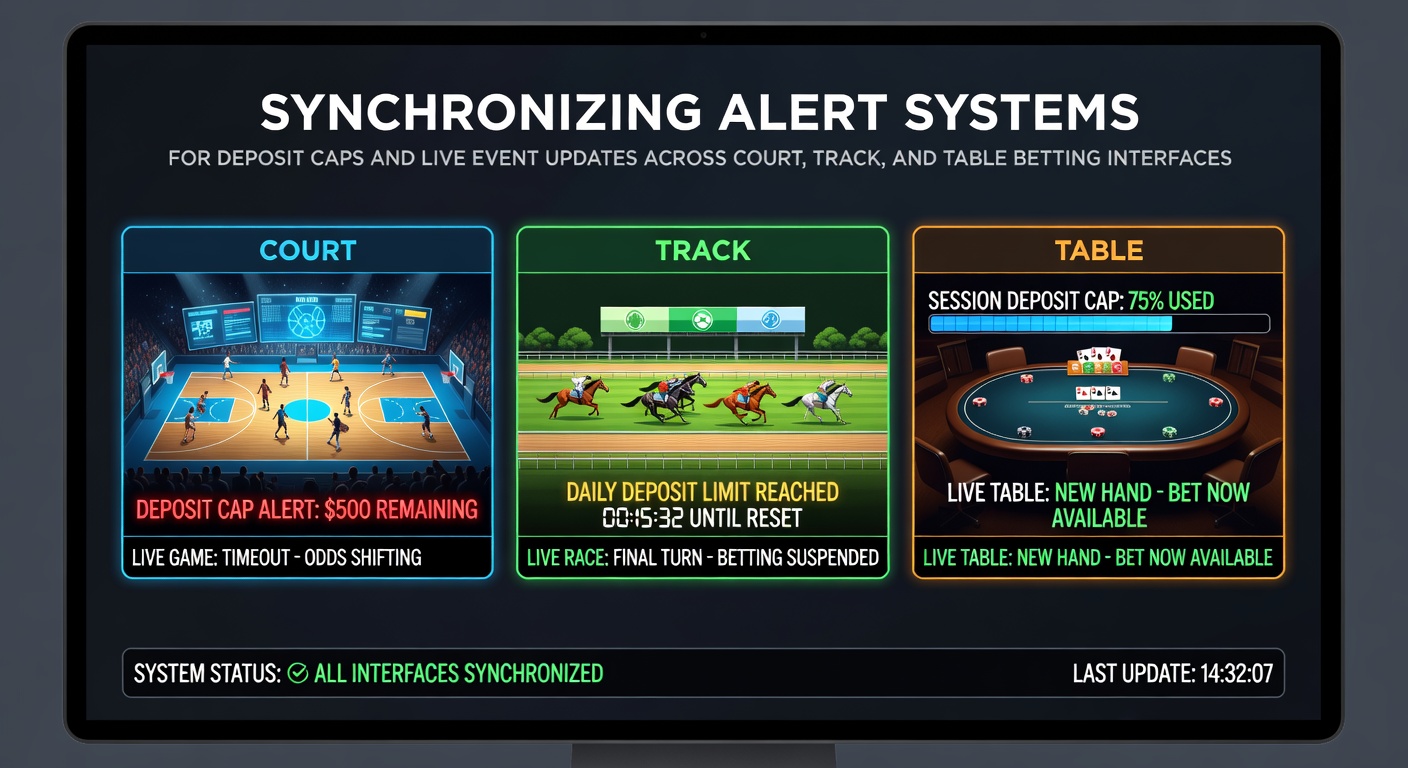
Integrated alert frameworks now link deposit cap notifications directly with real-time event data streams in betting platforms that cover tennis courts, horse racing tracks, and casino tables; these systems push updates through unified APIs so users receive consistent information whether they switch between mobile apps or desktop interfaces during a match point, a final furlong, or a card draw sequence.
How Deposit Cap Alerts Operate Within Multi-Sport Environments
Deposit cap mechanisms track cumulative spending thresholds across sessions and trigger warnings when limits approach predefined amounts set by account holders or regulatory guidelines; data from the National Council on Problem Gambling shows that synchronized versions reduce notification delays by routing the same cap status through central servers that feed every betting vertical simultaneously. Observers note that when a user places a wager on a tennis set followed by a horse race entry the alert history carries forward without requiring separate checks in each section of the platform.
Live event updates cover score changes, injury timeouts, race positions, and dealer shuffles, yet the synchronization layer merges these feeds with cap data so a single dashboard displays both spending status and current odds or results; studies from the Canadian Centre on Substance Use and Addiction indicate that such merged alerts help maintain awareness of financial boundaries even when event pace accelerates in fast markets like live tennis or in-play horse betting.
Technical Integration Across Court, Track, and Table Interfaces
Developers employ event-driven architectures where a core synchronization engine pulls deposit information from banking modules and combines it with streaming data from sports data providers or casino random number generators; the result appears as pop-up banners, sidebar indicators, or push messages that update in under two seconds across devices. In May 2026 several major platforms rolled out enhanced versions of these engines that handle simultaneous connections for thousands of active sessions involving mixed betting on courts, tracks, and tables.
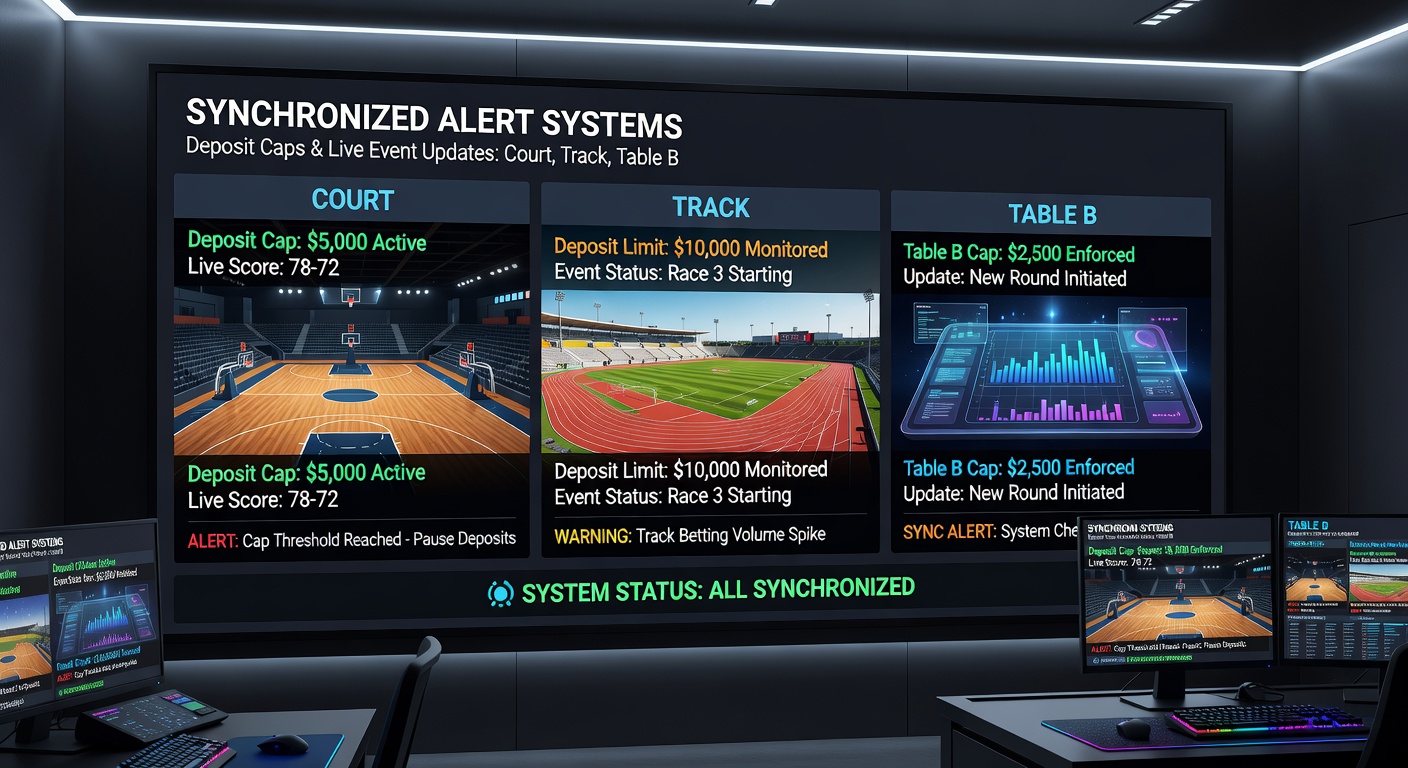
One implementation uses WebSocket connections that stay open for the duration of an event, allowing cap alerts to interrupt or overlay live score tickers without forcing users to refresh screens; researchers at the University of Nevada, Reno documented similar architectures in controlled tests and found message consistency rates above 99 percent when systems route alerts through a shared queue rather than separate channels for each betting type.
Operational Patterns Observed in 2026 Deployments
Platforms active during May 2026 demonstrated that unified alert systems cut down on duplicate warnings because the central processor recognizes when a deposit cap notification has already been delivered in one interface and suppresses repeats elsewhere; this pattern holds whether a bettor moves from tracking a grand slam rally to following a thoroughbred stretch run or monitoring a blackjack hand. Industry reports compiled by the European Gaming and Betting Association highlight that operators adopting these synchronized models recorded measurable drops in customer support queries related to mismatched limit information.
Event-specific triggers remain distinct yet feed into the same alert pipeline: a tennis tiebreak point change updates odds instantly while the deposit cap counter continues its background tally, and a horse race photo finish prompt arrives alongside any pending cap reminder; the combined presentation keeps users informed without requiring navigation between separate tabs or apps.
Conclusion
Synchronized alert systems for deposit caps and live event updates now form a standard component of platforms handling court, track, and table betting, with technical standards evolving through 2026 to support faster data exchange and broader device compatibility; ongoing refinements focus on maintaining accurate cap tracking while delivering timely event information across all interfaces.