Transaction Alerts Guiding Spending Awareness Across App-Based Football, Equine, Racket, and Table Wagers
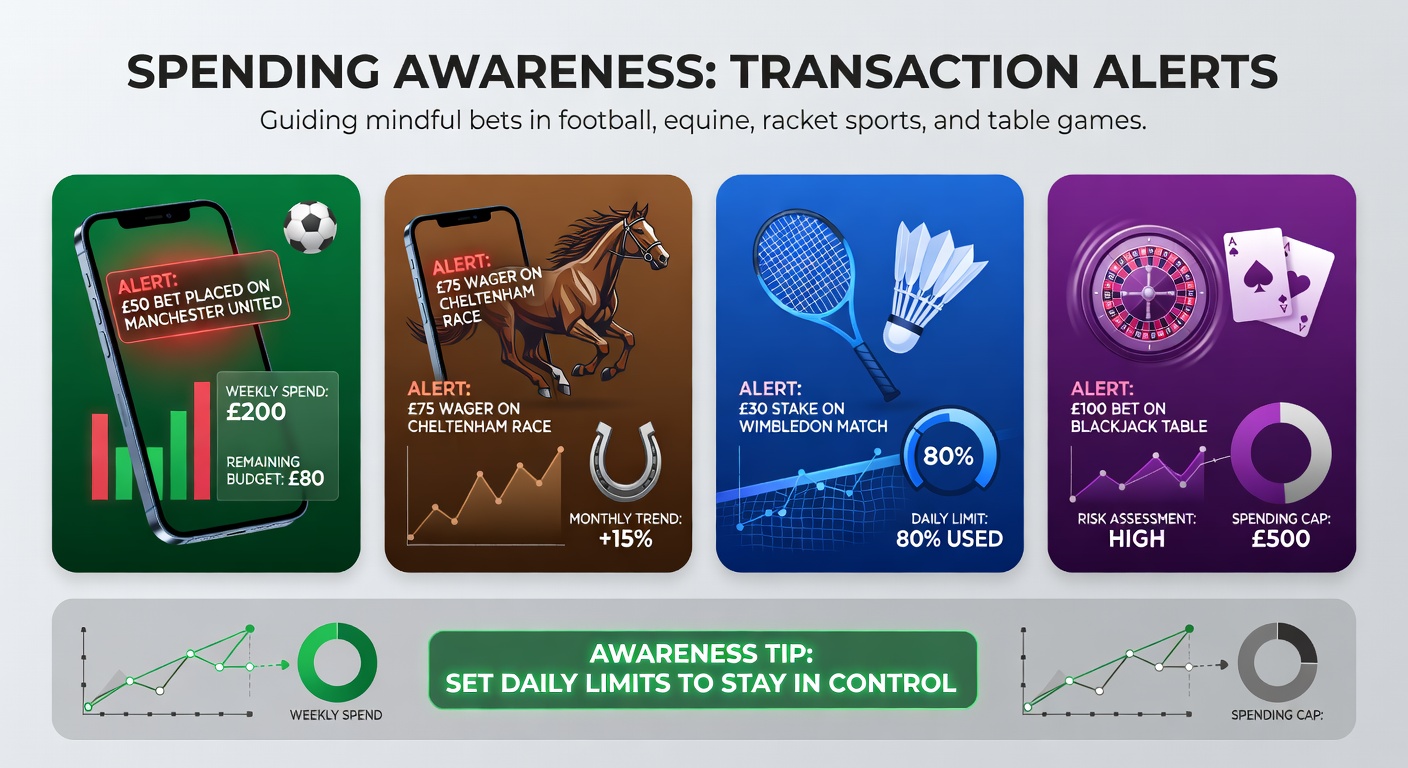
Transaction alerts function as real-time notifications within betting applications that cover football matches, equine events, racket sports competitions, and table-based wagers, and these systems deliver immediate updates on deposits, stakes, and account balances to users who engage across multiple platforms. Operators have incorporated these features into mobile interfaces since earlier regulatory shifts, and data from industry reports shows increased adoption rates in markets where digital payments dominate activity. In May 2026, several major apps rolled out enhanced alert protocols that sync across football live betting, thoroughbred racing platforms, tennis match wagers, and casino table options, which allows participants to monitor activity without leaving the interface.
How Alerts Operate in Football and Equine Betting Apps
Football-focused applications send alerts whenever a user places a stake on league matches or international fixtures, and these messages often include running totals that reflect both single bets and accumulators built during live play. Equine platforms apply similar triggers during race meetings at tracks worldwide, so a deposit made before a major event or a withdrawal processed after a win triggers a confirmation that lists the exact amount and remaining balance. Researchers at academic institutions tracking digital gambling patterns have documented how these notifications reduce instances of unplanned spending by prompting users to review their recent activity before confirming the next transaction. Payment processors integrated into these apps now embed the alerts at the authorization stage, which means the system pauses briefly to display the message while the user decides whether to proceed.
Application in Racket Sports and Table Wagers
Racket sports betting, particularly on tennis tournaments and table tennis events, relies on rapid in-play markets where odds shift quickly, and transaction alerts appear after each set or point wager to summarize cumulative exposure. Table wagers on casino-style games within the same apps follow parallel patterns, with notifications triggered on every chip purchase or hand settlement that keeps users informed about session totals. Industry analyses from organizations such as the American Gaming Association indicate that apps serving these verticals have seen measurable drops in average bet sizes following the introduction of customizable alert thresholds, because participants receive reminders when approaching self-imposed daily or weekly caps. Observers note that the alerts often include quick links to account settings, which enables immediate adjustments without disrupting the flow of play on the court or at the table.
Integration with Payment Methods and Responsible Features
Modern apps connect transaction alerts directly to e-wallets, bank transfers, and card payments, so a single notification can cover both the funding step and the subsequent wager placement across football, equine, racket, and table categories. Data compiled by the Australian Gambling Research Centre demonstrates that users who enable spending summaries tend to maintain lower overall volumes over extended periods, particularly when alerts combine with optional cooling-off periods that activate automatically after repeated deposits. In May 2026, several operators introduced cross-sport dashboards that consolidate alerts from all four categories into one view, allowing a user who bets on a Premier League match in the morning and a tennis match in the afternoon to see a unified picture of activity. These consolidated reports also flag patterns such as consecutive losses or rapid deposit sequences, which helps individuals recognize shifts in behavior before they escalate.
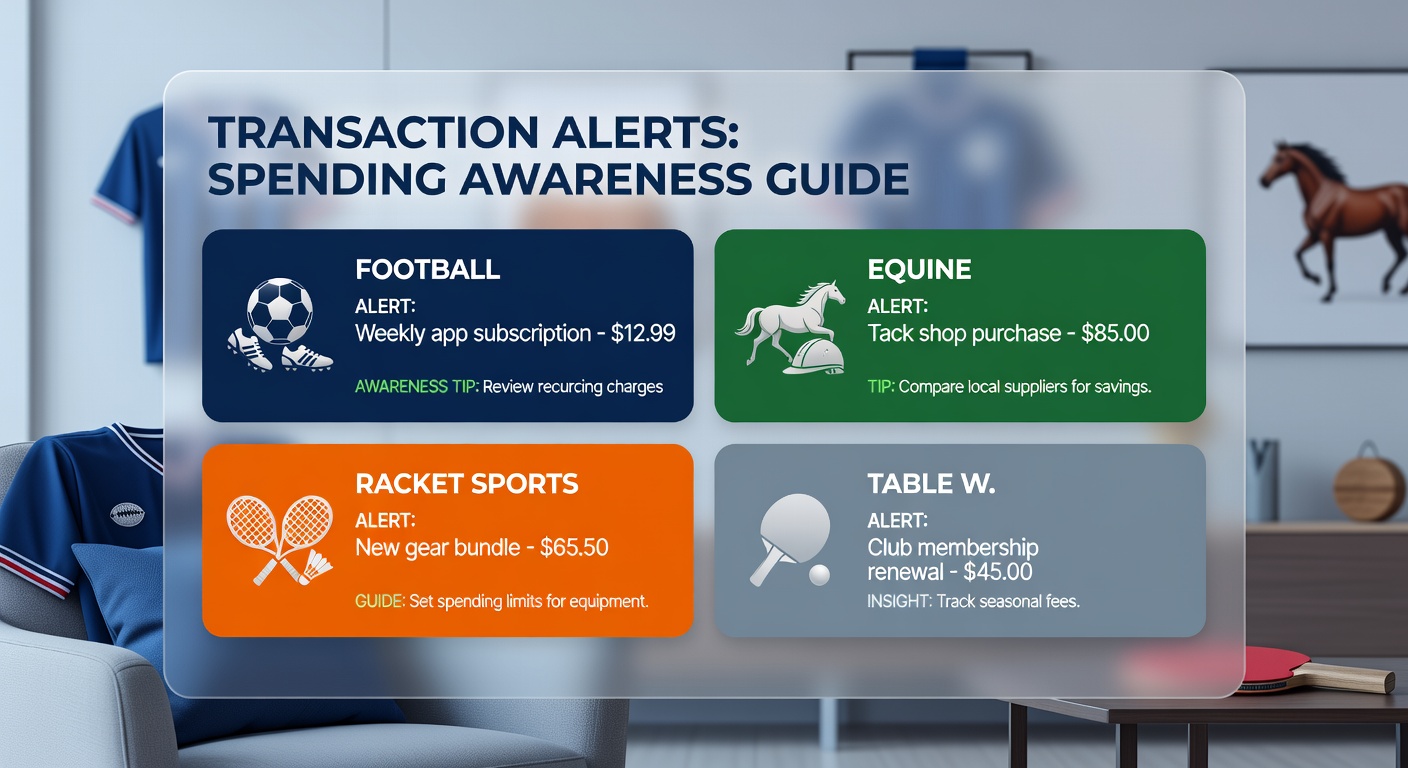
Evidence from Broader Market Studies
Studies conducted across North American and European markets reveal consistent outcomes when transaction alerts form part of the core app experience, with one analysis from the Responsible Gambling Council in Canada showing that participants who reviewed alerts before confirming bets reported greater awareness of time and money spent during sessions. Equine betting apps in particular have benefited because race schedules often span several hours, and repeated alerts prevent accumulation of small stakes that add up across multiple runners. Racket and table wager platforms have adopted similar mechanics, and figures released by state-level regulators in Australia confirm that mandatory alert systems correlate with fewer complaints related to unexpected account depletion. Operators achieve these results by allowing users to set personalized triggers, such as notifications after every third bet or when a predetermined percentage of a deposit limit is reached, which keeps the system flexible across different user preferences.
Future Developments Expected in 2026 and Beyond
Developers continue to refine alert precision by incorporating machine learning that predicts when a user might exceed typical patterns, and early tests in May 2026 demonstrated improved accuracy for football accumulators and multi-leg equine bets. The same technology extends to racket sports where live odds change rapidly and to table wagers where session length varies widely. Regulatory frameworks in several jurisdictions now require minimum alert standards, which encourages uniform implementation across apps that serve international audiences. Those who have examined usage logs report that the combination of alerts with deposit limits produces stronger outcomes than either feature alone, because the notification arrives at the moment of decision rather than after the fact. Payment speed improvements have further supported this approach, since instant processing means the alert can reference the most current balance without delay.
Conclusion
Transaction alerts have become a standard component in apps handling football, equine, racket, and table wagers, and their role in maintaining spending awareness rests on timely delivery of factual account information rather than on any single regulatory mandate. Continued refinement through 2026 and later periods will likely focus on greater personalization and cross-platform consistency, while studies from independent research bodies continue to track measurable effects on user behavior. The systems operate quietly in the background yet provide a direct line of sight into ongoing activity, which supports informed choices across all four betting categories without interrupting the core experience.